Kweli Vuna focuses on lead and demand discovery for transport businesses. It helps an operator explore where their capacity could fit beyond the usual customers and lanes. Vuna is rolling out, so sign in with your Kweli account to see what is available to your organisation.
One regular customer can keep a truck busy for a while. When that customer slows down, the owner suddenly has to find the next job while still handling costs, maintenance and the work already promised. Developing demand is an ongoing business task alongside finding the next individual load.
A lead, an available load and an agreed job are different stages
A lead is a possible customer or demand opportunity that needs a conversation. An available load describes freight someone wants moved. An agreed job has the scope and terms the parties have accepted. Treating those stages separately makes it easier to decide what to do next.
Vuna addresses demand discovery. Free Kweli LX helps shippers and transporters find and agree specific large-truck business freight. KITE supports execution after the work is agreed, including dispatch, active load tracking, delivery evidence and close-out.
Describe the work your business can actually carry
Before pursuing an opportunity, write down the vehicle and body type, usable capacity, equipment limitations, routes you can serve and the dates the truck is available. Include the kinds of loading and unloading arrangements it can handle. A clear capability description makes the first customer conversation more useful.
A small operator may run one large truck. That does not mean the business needs to chase every cargo type or every country. A realistic operating area and suitable equipment are a better basis for a quote than a promise to carry anything anywhere.
Turn an enquiry into a usable brief
Ask where the load starts and ends, what the cargo is, its mass and dimensions, the intended dates, site restrictions and the required vehicle. Confirm who is requesting the work and whether they are the cargo owner or a representative. Agree how the quote will be assessed and which terms apply if the parties proceed.
Then check the cost. A rate that seems reasonable on the loaded leg can be too low once the empty return and trip costs are included. Use your own numbers in the freight quote calculator before offering the work at a price you cannot sustain.
Build a record of the work you do well
Growth also comes from follow-through. Give clear instructions, respond when an exception occurs, provide the agreed delivery evidence and keep the outcome recorded. That makes the next conversation with the customer less dependent on starting from scratch.
Kweli’s trust and performance approach helps participants evaluate available context from participation and completed work. New participants may have little history. Check the information that exists and ask the questions needed for the particular movement.
Start with the capability that fits the need
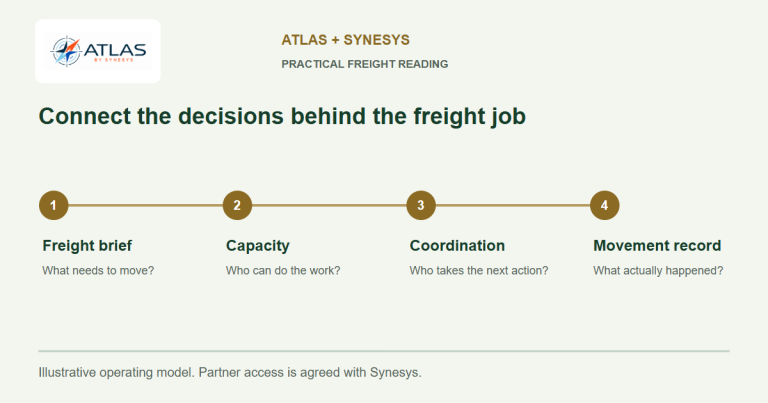
For a specific load or available truck, start with free LX. For discovering new demand, explore Vuna’s current rollout. For carrying an agreed job through dispatch and delivery, review KITE. An operator looking for a broader cargo business system can also read about Atlas access for trusted Synesys transport partners.
Open Vuna or read the current Hub guide. An enquiry still needs to become suitable, agreed work before a truck should be committed.